
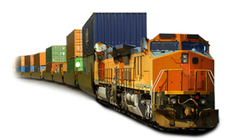
Using your existing weather sensors, the LR-x® 3D Wind Field model lets you visualize wind streams over complex terrain, helping your engineers determine how the weather will affect the locomotive. Lines that run through canyons and river valleys are where a single wind reading is least reliable; see how the 3D wind field model handles terrain.
When something goes wrong on the line
In an emergency, LR-x® can be deployed before first responders arrive at a rail disaster, giving railroad staff a plume model and wind field to protect employees, first responders and the local community. Results can be shared with arriving agencies by link.
Fixed or mobile
LR-x® is offered as a mobile or fixed application, standalone or in the cloud. Mobile versions are a good fit for rail, where incidents can happen anywhere along the route.
When ARL licensed the original system in 2017, it described it as an emergency response decision aid for incidents like forest fires, chemical attacks and train derailments.
Rail yards and transload facilities
Yards and transload sites concentrate tank cars of chlorine, ammonia and fuel in one place. In Graniteville, South Carolina, on January 6, 2005, a breached chlorine tank car killed nine people and about 5,400 people within a mile were evacuated for several days. (NTSB) LR-x® models chlorine releases like this one, with threat zones from current weather and three forecasts about 2 minutes apart. See where LR-x® fits by facility type.